


ReelMoney: Watch & Earn Cash
4.82.51K Reviews
App Specs
- Version
- 1.0.0
- Updated On
- License
- Free
- Downloads
- 100,000+
- Developer
- Debug Entity Dev
- Categories
- Finance
- Platform
- Android
Screenshots

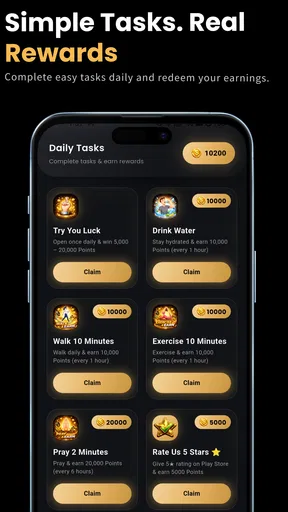
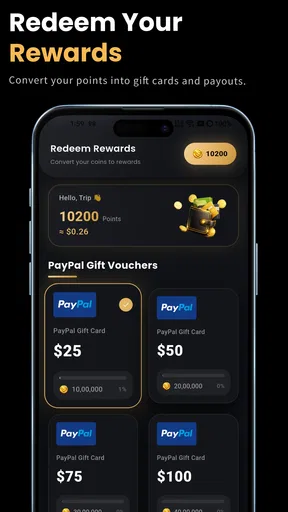
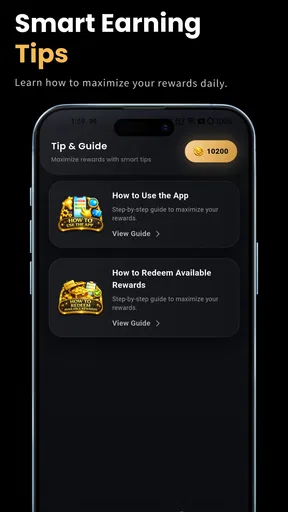
 Analysis by AppCompare
ReelMoney: Watch & Earn Cash is a finance app with a simple idea: spend a little spare time watching short videos and completing tasks, then collect points that can be exchanged for rewards. I approached it less like a money-making promise and more like a small rewards tool, because that is the sensible way to judge this kind of app. My first impression is that it is easy to understand, but its real value depends on how smoothly you can use it without turning every spare minute into a chore.
The app comes from Debug Entity Dev and is free to use. It is aimed at an Everyone audience, so its basic concept is accessible to a wide range of users. The store describes it as a daily watch-and-earn experience, and that focus matters: this is not a budgeting app, an investment platform, or a replacement for paid work. It belongs in the category of lightweight reward apps, where convenience and patience are more important than advanced financial tools.
How ReelMoney feels during ordinary use
When I assess an app like this, I pay attention to the time between opening it and reaching the next useful action. ReelMoney is built around short sessions rather than long financial workflows. That makes it a natural fit for waiting rooms, public transport, a lunch break, or the few minutes before bed. You do not need to plan a budget or learn a complicated interface before getting started; the intended routine is much closer to opening a feed, finishing an available task, and checking your points.
The perceived speed is therefore less about demanding calculations and more about how quickly the app lets you move from one activity to another. Short-video reward apps can feel slow even when their screens load normally if the user has to search for the next task, wait through unnecessary steps, or repeatedly return to the same menu. My practical advice is to judge the experience over several short sessions instead of one enthusiastic first attempt. A smooth opening screen is useful, but the more important question is whether the daily routine remains comfortable after the novelty fades.
There is also a mental speed to consider. ReelMoney presents a very small barrier to entry, which can make it feel immediately productive. That feeling can be misleading if you start expecting meaningful income from casual use. I would treat the points as a bonus attached to time you were already willing to spend, not as a reason to rearrange your day. The best performance expectation is convenience, not a dependable paycheck.
Because the app is free, trying it does not require an upfront purchase. That makes the decision easier for someone who wants to explore a rewards routine without committing money. Still, free does not mean costless: your attention, mobile data, battery, and time are all part of the trade-off. If a task takes longer than the reward feels worth, moving on is the smarter choice.
Where short sessions work best
A realistic everyday scenario would be a commuter with ten spare minutes before a train arrives. Instead of opening a larger entertainment app and losing track of time, that person could check ReelMoney, watch a few available clips, complete a task, and leave. The app makes more sense in that controlled setting than during an uninterrupted evening when the user may keep watching simply because another reward appears to be close.
Worth Reading Before You Choose

EA SPORTS FC Mobile 26 Is a Bigger Football Game, but It Takes Time

Flipboard Shows What News Apps Must Do Beyond the Feed

Switching to Android Auto Means Rethinking Your Driving Routine

Google Calendar Makes a Crowded Week Easier to Manage

Ludo King Makes the Most of the Minutes Between Plans

Baby Panda World Brings Quick Play to Modern Phones, but Its Game Library Feels Busy
I also see a useful role for it as a small routine after completing ordinary chores. For example, you might reserve a brief session after answering messages or organizing your calendar. That boundary prevents the reward loop from taking over the day. It is a subtle but important workflow improvement: decide in advance how long you will use the app, then stop when that window ends rather than chasing an unclear target.
Another practical tip is to keep your expectations separate from your entertainment choices. If you would watch short videos anyway, the rewards may make that time feel slightly more worthwhile. If you are opening the app only because you need urgent cash, the same experience is likely to feel disappointing. ReelMoney is better understood as an optional side activity than as a financial solution.
What happens during heavier use
Heavy use changes the evaluation. Watching a single clip or finishing one task is not demanding in the same way as repeatedly cycling through video content, returning to task screens, and checking your balance throughout the day. The more often you use the app, the more you notice practical issues such as battery consumption, mobile-data use, heat, and the patience required to continue.
I would be careful with mobile data when using any short-video rewards app away from Wi-Fi. Video playback can consume more data than a text-based finance tool, so a user with a limited plan should avoid turning every commute into a long session. This is not a criticism unique to ReelMoney; it is a direct consequence of its video-centered design. A conventional cashback tracker or expense app will generally be lighter on data because it does not depend on continuous video viewing.
Battery behavior deserves the same common-sense treatment. Video playback and frequent screen activity are naturally more demanding than checking a balance once a day. On a newer phone, that may be easy to tolerate in short bursts. On an older device or one already low on charge, the cost becomes more noticeable. I would not leave the app running in the background or keep it open while doing something else. Use it actively, finish the session, and close it.
Longer sessions can also expose interface friction that is invisible during a quick test. Repeated actions may begin to feel mechanical, especially if the available tasks do not change much. The key trade-off is not whether the app can occupy you, but whether the points justify the repetition. I recommend setting a personal stopping rule, such as ending a session after a fixed amount of time or after completing one clearly defined task group. That keeps the app from becoming an endless attention loop.
For users who multitask, I would be cautious about switching rapidly between ReelMoney and other demanding apps. Video playback, task completion, and repeated navigation can place more pressure on a modest phone than a simple calculator or banking app. If the device starts feeling warm or the interface becomes less responsive, finish the current action and take a break rather than forcing a longer session.
Reliability and what to do when a session breaks
Reliability matters more here than it might in a casual video app because a user expects completed actions to be reflected in points. A brief interruption can be annoying in entertainment, but it becomes more concerning when it happens near the end of a task. I would make a habit of checking that the app has visibly registered an action before immediately closing it or switching networks.
That does not mean repeatedly refreshing the screen or tapping the same control. Repeated taps can create confusion if the interface is still processing. A better recovery routine is simple: wait a moment, return to the relevant screen once, and check whether the balance or task status has changed. If the app appears stuck, close and reopen it rather than continuing to press buttons. This approach reduces accidental duplicate actions and gives the session a cleaner restart.
Network changes are another realistic source of friction. Moving from mobile data to Wi-Fi, entering a weak-signal area, or briefly losing connectivity can interrupt video-based activity. I would avoid starting a task just before going underground, entering an elevator, or boarding a vehicle with unreliable reception. That small bit of planning is more useful than blaming the app after an interrupted session.
The app’s current version is 1.0.0, so I would approach it with the normal caution I reserve for an early release. That does not automatically make it unstable, and I would not call it unreliable without direct evidence. It does mean that I would keep sessions modest, update the app when an update is offered, and avoid treating an unverified task completion as final until the app reflects it clearly. For a rewards product, transparent feedback after each action is especially important.
Recovery is also about protecting your own account routine. I would use one consistent account, keep track of which tasks I have already completed, and avoid rushing through screens just to increase the number of actions. If something does not appear to register, record what happened mentally or with a simple note before trying again. That may sound cautious, but it prevents confusion when several similar tasks are completed close together.
Device limits and everyday comfort
ReelMoney supports devices running Android 7.0 or later, which gives it a broad compatibility range. That is helpful for people who keep an older phone rather than upgrading frequently. However, operating-system compatibility is only one part of the experience. A phone can meet the minimum requirement and still feel less comfortable with repeated video playback if it has limited memory, an aging battery, or a slower connection.
On an older device, I would use shorter sessions and close other video-heavy apps first. This is not about making the phone perform like a new model; it is about removing avoidable competition for memory and network capacity. Keeping the screen brightness reasonable can also make longer sessions easier on the battery, particularly when you are away from a charger.
Storage is another practical consideration for any app used regularly, although the more immediate concern here is the content being streamed and the amount of time the screen stays active. If your phone is nearly full, already struggles with several open apps, or has a battery that drops quickly, a lighter finance alternative may suit you better. A basic expense tracker can provide more lasting financial value while asking much less from the device.
People with accessibility needs should judge the interface by actually trying the main watch and task flow on their own phone. Short-video layouts can be visually busy, and reward information needs to be easy to distinguish from the entertainment itself. I would not recommend committing to a long routine until the text, controls, and navigation feel comfortable. The Everyone rating speaks to broad age suitability, not to a guarantee that every device setup will feel equally accessible.
Privacy-minded users should also make a deliberate choice about the kind of app they want on their phone. A rewards service built around videos and tasks may feel more intrusive in daily attention than a private ledger or standard banking tool. I am not suggesting a specific privacy problem; rather, I would avoid installing it on a phone used for sensitive work unless the app’s behavior fits your personal comfort level. The less important the reward is to you, the less reason there is to tolerate uncertainty or distraction.
How it compares with familiar alternatives
Compared with a traditional budgeting app, ReelMoney serves a completely different purpose. A budgeting tool helps you understand spending, plan bills, and make better decisions with money you already have. ReelMoney turns spare attention into points through videos and tasks. If your priority is improving financial control, I would choose the budgeting app first. If your priority is adding a small reward element to idle time, this app is the more relevant experiment.
It also differs from cashback services. Cashback usually connects rewards to purchases you were already planning to make, while ReelMoney asks you to spend time inside the app. That makes the trade-off easier to see: cashback can be efficient when it attaches to normal shopping, whereas video rewards may be more accessible to someone who does not want to shop but does have spare moments. Neither is automatically better; they reward different behaviors.
Compared with survey platforms, the appeal of ReelMoney is the shorter, more entertainment-oriented format. Surveys may require more concentration and patience, while short videos can feel easier to fit into a fragmented day. On the other hand, video viewing can encourage longer sessions and may consume more data. I would choose between them based on whether I want a quick distraction or a more deliberate task with a clear endpoint.
There is also a difference between ReelMoney and ordinary short-video entertainment. A normal video platform is designed primarily to keep you watching, while this app adds a points-based reason to complete activities. That extra incentive can be pleasant, but it should not be confused with better entertainment or better financial planning. If I want to relax, I may prefer a service with stronger content discovery. If I want to test a reward routine during otherwise empty time, ReelMoney has the more relevant structure.
Who should try it, and who should skip it
I think ReelMoney is most suitable for someone who enjoys short, repeatable activities and can keep a firm boundary around them. It may work well for a user who has small gaps throughout the day, uses a compatible Android phone, and is comfortable viewing the points as a modest extra rather than a serious source of income. The free entry makes that trial relatively straightforward, provided the person is willing to monitor time and data use.
I would skip it if you need predictable earnings, dislike watching promotional-style content, have a very limited data plan, or find repetitive tasks frustrating. It is also a poor match for someone looking for tools to manage debt, track expenses, invest, or organize bills. The finance label should not create the impression that ReelMoney replaces those services. Its financial connection is the reward mechanism, not personal money management.
Parents and younger users should still treat the Everyone rating as a starting point rather than a substitute for supervision. The app may be broadly age-appropriate, but a rewards routine can encourage repeated screen time. Setting clear limits is sensible, especially on shared devices or phones with restricted data. The same advice applies to adults who are prone to chasing small rewards after the activity stops being enjoyable.
My performance verdict after weighing the trade-offs
ReelMoney has a clear, approachable concept and a low barrier to trying it. Its strongest quality is not speed in the technical sense; it is the ability to turn brief idle moments into a simple, repeatable activity without asking the user to learn a complex financial system. Its weakest point is the same design: the value depends on continued attention, and that attention can cost more in time, battery, or data than expected.
The app has an average rating of 4.8 from around fourteen thousand ratings, and it has passed the hundred-thousand-install mark. Those figures suggest that a substantial group of users has found the concept appealing, but they do not tell me whether it will be worthwhile for every person or on every phone. I would still evaluate it through a short personal trial, watching for comfortable navigation, clear task completion, and a reward routine that does not disrupt the rest of the day.
Debug Entity Dev has positioned this as a free rewards app rather than a full financial toolkit, and that distinction should guide your decision. Use it with a time limit, prefer a reliable connection, be mindful of video data, and give the app a moment to confirm actions before moving on. Those habits address the most likely sources of frustration without turning the experience into work.
My final view is cautiously positive. ReelMoney: Watch & Earn Cash is worth testing if you want a lightweight way to fill spare minutes and you understand that points are a small incentive, not guaranteed income. I would recommend it to patient users with realistic expectations, while directing anyone seeking serious financial progress toward budgeting, cashback, or banking tools designed for that specific job.
Pros
- Simple interface makes videos and rewards easy to navigate.
- Short clips fit well into quick breaks or spare moments.
- Multiple earning activities may provide more ways to collect rewards.
- Progress and balance tracking help monitor your activity.
- Works well for users who enjoy discovering bite-sized content.
Cons
- Earnings may be small compared with the time required.
- Reward availability can vary by country and user account.
- Cash-out minimums may delay access to your rewards.
- Frequent ads can make the viewing experience feel repetitive.
- Some tasks may have changing rules or limited availability.
FAQs for ReelMoney: Watch & Earn Cash
What is ReelMoney: Watch & Earn Cash, and how does it work?
ReelMoney: Watch & Earn Cash is an entertainment and rewards app that lets users watch short videos, complete selected activities, and collect points or virtual earnings. After building up a sufficient balance, users may be able to request a reward through the payment options offered in the app. Available tasks, earning rates, and redemption rules can change, so always review the current terms before spending time on the platform.
Can you really make money with ReelMoney, and how much can users earn?
ReelMoney may provide small rewards for watching content and completing tasks, but it should not be considered a reliable source of income. Earnings generally depend on the number of eligible activities available, your location, advertising demand, and the app’s current reward rates. In practice, users should expect modest returns and treat the experience as casual entertainment rather than a substitute for employment.
How do withdrawals work, and what is the minimum payout?
Withdrawal procedures and minimum payout requirements are important details to check before using ReelMoney. The app may require users to reach a specific balance, verify an account, or select from supported payment methods before submitting a request. Processing times can vary, and some options may not be available in every country. Confirm the latest cash-out rules inside the app because they may change.
Is ReelMoney: Watch & Earn Cash safe to use?
Before installing ReelMoney, review the permissions it requests, its privacy policy, and the way it handles account and device information. As with most reward apps supported by advertising, you may encounter frequent ads, tracking technologies, and requests connected with personalization or fraud prevention. Download the app only from an official store, avoid sharing unnecessary sensitive information, and never pay money to unlock a withdrawal.
What should I know about ads, availability, and account restrictions?
The amount of content and tasks available in ReelMoney can differ significantly by country, device, and account activity. Because the app depends on advertisements and promotional campaigns, some days may offer more opportunities than others. Users should also read the rules regarding multiple accounts, automated activity, VPN use, and suspicious behavior, since violations may lead to withheld rewards or account suspension.


